 스토어팜
스토어팜

















10 Facebook Pages That Are The Best Of All Time About Coffee Maker
페이지 정보
작성자 Reina 작성일24-02-22 04:21 조회10회 댓글0건본문
How a Coffee Maker Works
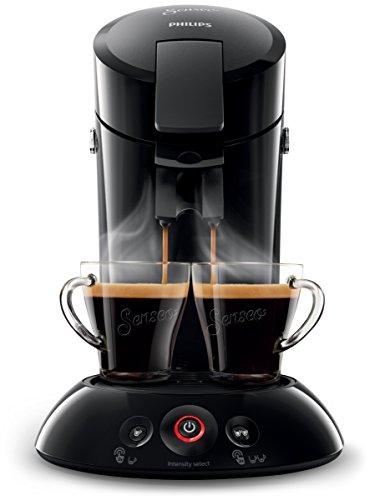 Make a fresh cup of coffee every morning for your family, yourself and guests by using the coffee maker. They're a great choice for small and medium-sized businesses, offices and restaurants too.
The process is quite simple ground beans are soaked in hot water, removing the flavor from the grounds. Then the water drains and dispenses grit-free coffee into your cup or carafe.
1. The Water Reservoir
Coffee is a drink consumed in large quantities by a lot of people, especially in the morning, before going to work or school. A good coffee maker can create a cup of fresh and delicious coffee at the touch of the button. Most nespresso coffee maker makers come with an in-built water reservoir that keeps the water hot and ready to use to brew. The best coffee makers with water tanks that are removable are large in capacity, multiple ways to brew, as well as other features that differentiate them from other coffee makers.
Depending on the type of coffee maker you own the reservoir of water can be made of glass or plastic. The water tank of the coffee maker is typically located under the lid and is connected to the heating element via the tube. The tube is used to transport the water from the reservoir to the filter, where it absorbs the aroma and flavor of the grounds. The water flows through the filter and into the carafe where it's prepared.
While a coffee maker's heating element can keep water warm for a long time, it is best to use fresh, cold water in order to ensure that your cup of coffee is of the highest taste and quality. The water level in the reservoir of the coffee maker should be accurate. Overfilling the reservoir can cause damage.
The FDA has recommended that coffee makers made from materials that are free of BPA be used to prevent harmful substances from leaching into water. However, BPA is just one of the many chemicals that could be harmful to human health. If you're concerned about the effects of BPA, choose a coffeemaker with a glass reservoir. There are also coffee makers that utilize ceramic heaters to keep water warm for brewing, so you can be confident that the water you're drinking is healthy and fresh. Ceramic heaters produce heat more quickly than other heating elements. Ceramic heaters are durable and high-capacity, so they can be relied on to brew coffee for a very long time.
2. The Heating Element
To brew the perfect cup of coffee you will need to heat your grounds. To do this commercially, a coffee maker has eight standard components. They include thermal cutoffs heating element, thermistors, heating elements, thermostats, triacs, contactors, and fuses. Knowing what each part does will help you comprehend your coffee maker.
You probably expect to hear a sound of gurgling when you turn on your coffee machine in the morning. It's a sign you will soon be enjoying a hot cup of java. This is why it can be so frustrating when you flip the switch and nothing happens.
Most commercial coffee makers have tubing that directs the water from the reservoir to the spout from which it is dripped into the ground coffee in filters. This tubing, which is typically made of plastic or aluminum, is heated by a metal coil or ceramic one at the base of the machine.
As the tubing gets warmer there are bubbles that form which push water through the tubes into the grounds. The water begins to boil once it hits the coffee grounds. A one-way valve blocks the boiling water from flowing back into the tube.
The one-way valve is usually located either at the bottom of the water bucket or in the aluminum tubing, and it's crucial since, if it wasn't the hot coffee will be just as likely to flow back down into the reservoir as up out of the spout. There are other components in the base of the coffee maker that are meant to prevent it from overheating, such as sensors and fuse. The sensors are able to detect when the coil is too hot and stop the power until it cools. The fuses act as in place to prevent the circuit from burning.
Many commercial coffee machines also include features that are designed to keep your beverage at the perfect temperature. These include an insulated stainless-steel carafe, and a heating pad that keeps the coffee warm when it's time to serve. Depending on your business's needs they could be a good choice for you.
3. The Filter
The filter in a coffee maker is the element that separates the hot water from the grounds and keeps them separate when brewing. It may seem like a minor detail however the design and material of filter has an impact on the taste of your coffee.
The most well-known option is the paper filter. It is popular because it is inexpensive and can be bought in large quantities. But it also works well to keep out the fine ground. A paper filter also tends to make the brew taste and feel lighter than other kinds.
Another option is a metallic filter. These filters can be reused, and are available in a variety of different materials. They are ideal for those who prefer the slightest bit more body that retains the flavor of the grounds of coffee. Because they do not block all the oils that are in the grounds, the resulting drink will have a richer mouthfeel and more complex flavors than one made using a paper filter.
Cloth filters can also be an option. They have a lower upfront cost than other filters, however they require extensive maintenance. They can be made from many different robust fabrics, such as cotton, linen, muslin, and wool. The tight weave of these filters helps to keep the finest grounds out, while they absorb excess oils. The result is a light and flavorful cup of joe with complex notes.
If you're looking for a simple method to brew your coffee, think about a pod coffee maker. These machines use pre-ground and measured coffee pods to make a cup of joe. These machines are ideal for those who need to brew only one cup of coffee or have a limited amount of time in the morning.
The filter of your coffee maker will have an enormous impact on the taste of your cup. Choose wisely! The size and shape of the filter will be determined by your personal preferences and the method you choose to make your coffee maker cup. If you're not sure which filter is best for you, refer to our guide to buying coffee makers to find the best machine for your home.
4. The Pump
A coffee maker can make an entire pot of delicious, bialetti Coffee maker hot coffee in only several minutes. They are extremely popular and are a staple in many homes, restaurants and offices. With a little bit of information, you can select the one that is best suited to your needs and your budget. There are many styles and features available, so do your research prior to purchasing the latest coffee maker.
The pump in the machine that produces coffee is responsible for turning the water into liquid. The vapor rises up through the tube of aluminum in the middle. It does this by creating a vacuum within the water and then pushing the hot air upwards. This ensures that the coffee is evenly brewed and that there aren't cold spots left in your finished cup.
There are a few advanced coffee makers that let you alter settings like bloom, brewing duration and strength. This is ideal for people who are particular about how they like their coffee to taste.
If you're not sure the way you enjoy your coffee It's recommended to choose the basic drip model. These models are simple to use, and are generally less expensive than other espresso machines. They also come with a range of convenient features that can help your morning routine go more smoothly, such as the ability to program your wake-up time and an automatic shutoff.
Another kind of coffee maker is a French press, Moka pot or AeroPress(r). These options allow for an individualized approach to making coffee and are perfect for those who love coffee and appreciate the customization that comes with manual preparation methods. These equipments require separate pots, filters as well as a burr mill to grind your beans, and a timer or thermometer to keep track of the coffee brewing process.
If you like specialty coffee drinks such as cappuccinos and lattes, you should consider an espresso machine. These machines are similar to drip coffee makers, however they have an extra tube that is used to frost the milk and then add in the coffee grounds for more smooth, richer taste. This is the bialetti Coffee maker maker you should get in case you are looking to make gourmet drinks without having to make them manually.
Make a fresh cup of coffee every morning for your family, yourself and guests by using the coffee maker. They're a great choice for small and medium-sized businesses, offices and restaurants too.The process is quite simple ground beans are soaked in hot water, removing the flavor from the grounds. Then the water drains and dispenses grit-free coffee into your cup or carafe.
1. The Water Reservoir
Coffee is a drink consumed in large quantities by a lot of people, especially in the morning, before going to work or school. A good coffee maker can create a cup of fresh and delicious coffee at the touch of the button. Most nespresso coffee maker makers come with an in-built water reservoir that keeps the water hot and ready to use to brew. The best coffee makers with water tanks that are removable are large in capacity, multiple ways to brew, as well as other features that differentiate them from other coffee makers.
Depending on the type of coffee maker you own the reservoir of water can be made of glass or plastic. The water tank of the coffee maker is typically located under the lid and is connected to the heating element via the tube. The tube is used to transport the water from the reservoir to the filter, where it absorbs the aroma and flavor of the grounds. The water flows through the filter and into the carafe where it's prepared.
While a coffee maker's heating element can keep water warm for a long time, it is best to use fresh, cold water in order to ensure that your cup of coffee is of the highest taste and quality. The water level in the reservoir of the coffee maker should be accurate. Overfilling the reservoir can cause damage.
The FDA has recommended that coffee makers made from materials that are free of BPA be used to prevent harmful substances from leaching into water. However, BPA is just one of the many chemicals that could be harmful to human health. If you're concerned about the effects of BPA, choose a coffeemaker with a glass reservoir. There are also coffee makers that utilize ceramic heaters to keep water warm for brewing, so you can be confident that the water you're drinking is healthy and fresh. Ceramic heaters produce heat more quickly than other heating elements. Ceramic heaters are durable and high-capacity, so they can be relied on to brew coffee for a very long time.
2. The Heating Element
To brew the perfect cup of coffee you will need to heat your grounds. To do this commercially, a coffee maker has eight standard components. They include thermal cutoffs heating element, thermistors, heating elements, thermostats, triacs, contactors, and fuses. Knowing what each part does will help you comprehend your coffee maker.
You probably expect to hear a sound of gurgling when you turn on your coffee machine in the morning. It's a sign you will soon be enjoying a hot cup of java. This is why it can be so frustrating when you flip the switch and nothing happens.
Most commercial coffee makers have tubing that directs the water from the reservoir to the spout from which it is dripped into the ground coffee in filters. This tubing, which is typically made of plastic or aluminum, is heated by a metal coil or ceramic one at the base of the machine.
As the tubing gets warmer there are bubbles that form which push water through the tubes into the grounds. The water begins to boil once it hits the coffee grounds. A one-way valve blocks the boiling water from flowing back into the tube.
The one-way valve is usually located either at the bottom of the water bucket or in the aluminum tubing, and it's crucial since, if it wasn't the hot coffee will be just as likely to flow back down into the reservoir as up out of the spout. There are other components in the base of the coffee maker that are meant to prevent it from overheating, such as sensors and fuse. The sensors are able to detect when the coil is too hot and stop the power until it cools. The fuses act as in place to prevent the circuit from burning.
Many commercial coffee machines also include features that are designed to keep your beverage at the perfect temperature. These include an insulated stainless-steel carafe, and a heating pad that keeps the coffee warm when it's time to serve. Depending on your business's needs they could be a good choice for you.
3. The Filter
The filter in a coffee maker is the element that separates the hot water from the grounds and keeps them separate when brewing. It may seem like a minor detail however the design and material of filter has an impact on the taste of your coffee.
The most well-known option is the paper filter. It is popular because it is inexpensive and can be bought in large quantities. But it also works well to keep out the fine ground. A paper filter also tends to make the brew taste and feel lighter than other kinds.
Another option is a metallic filter. These filters can be reused, and are available in a variety of different materials. They are ideal for those who prefer the slightest bit more body that retains the flavor of the grounds of coffee. Because they do not block all the oils that are in the grounds, the resulting drink will have a richer mouthfeel and more complex flavors than one made using a paper filter.
Cloth filters can also be an option. They have a lower upfront cost than other filters, however they require extensive maintenance. They can be made from many different robust fabrics, such as cotton, linen, muslin, and wool. The tight weave of these filters helps to keep the finest grounds out, while they absorb excess oils. The result is a light and flavorful cup of joe with complex notes.
If you're looking for a simple method to brew your coffee, think about a pod coffee maker. These machines use pre-ground and measured coffee pods to make a cup of joe. These machines are ideal for those who need to brew only one cup of coffee or have a limited amount of time in the morning.
The filter of your coffee maker will have an enormous impact on the taste of your cup. Choose wisely! The size and shape of the filter will be determined by your personal preferences and the method you choose to make your coffee maker cup. If you're not sure which filter is best for you, refer to our guide to buying coffee makers to find the best machine for your home.
4. The Pump
A coffee maker can make an entire pot of delicious, bialetti Coffee maker hot coffee in only several minutes. They are extremely popular and are a staple in many homes, restaurants and offices. With a little bit of information, you can select the one that is best suited to your needs and your budget. There are many styles and features available, so do your research prior to purchasing the latest coffee maker.
The pump in the machine that produces coffee is responsible for turning the water into liquid. The vapor rises up through the tube of aluminum in the middle. It does this by creating a vacuum within the water and then pushing the hot air upwards. This ensures that the coffee is evenly brewed and that there aren't cold spots left in your finished cup.
There are a few advanced coffee makers that let you alter settings like bloom, brewing duration and strength. This is ideal for people who are particular about how they like their coffee to taste.
If you're not sure the way you enjoy your coffee It's recommended to choose the basic drip model. These models are simple to use, and are generally less expensive than other espresso machines. They also come with a range of convenient features that can help your morning routine go more smoothly, such as the ability to program your wake-up time and an automatic shutoff.
Another kind of coffee maker is a French press, Moka pot or AeroPress(r). These options allow for an individualized approach to making coffee and are perfect for those who love coffee and appreciate the customization that comes with manual preparation methods. These equipments require separate pots, filters as well as a burr mill to grind your beans, and a timer or thermometer to keep track of the coffee brewing process.
If you like specialty coffee drinks such as cappuccinos and lattes, you should consider an espresso machine. These machines are similar to drip coffee makers, however they have an extra tube that is used to frost the milk and then add in the coffee grounds for more smooth, richer taste. This is the bialetti Coffee maker maker you should get in case you are looking to make gourmet drinks without having to make them manually.
댓글목록
등록된 댓글이 없습니다.