 스토어팜
스토어팜

















What's The Job Market For Exercise Bike For House Professionals Like?
페이지 정보
작성자 Julie 작성일25-04-03 01:34 조회4회 댓글0건본문
The Benefits and Considerations of Using an Exercise Bike in the house
In an age where health and wellness are ending up being significantly crucial, particularly with the increase of remote work and lifestyle changes, the exercise bike has actually emerged as a popular option for those seeking to keep an active lifestyle without leaving their homes. This flexible tool uses a variety of benefits, from enhanced cardiovascular health to improved psychological wellness. This post explores the advantages of owning a stationary bicycle, the various types offered, and how to pick the ideal one for your home.
The Rise of Home Fitness
The worldwide fitness market has seen a considerable shift in the last few years, with more people selecting home exercises over fitness center subscriptions. The convenience, versatility, and cost-effectiveness of working out in the house have made it an attractive choice for numerous. Among the different home physical fitness equipment, the exercise bike sticks out for its ease of access and low-impact nature, making it suitable for individuals of all ages and physical fitness levels.
Benefits of Using an Exercise Bike at Home
Improved Cardiovascular Health Regular use of an exercise bike can substantially improve heart health by strengthening the heart muscle, lowering the danger of heart illness, and lowering blood pressure. The low-impact nature of cycling is especially advantageous for those with joint concerns, as it supplies a cardiovascular workout without the stress of high-impact activities like running.
Weight Management Cycling on a stationary bicycle is an efficient way to burn calories and manage weight. Depending on the intensity and duration of the exercise, users can burn anywhere from 400 to 1000 calories per hour, making it a valuable tool for those wanting to lose or preserve a healthy weight.
Muscle Strength and Tone While primarily a cardiovascular exercise, biking also engages the lower body muscles, including the quadriceps, hamstrings, glutes, and calves. With resistance settings, users can tailor their workouts to target specific muscle groups and improve strength and tone.
Psychological Well-Being cycle exercise home has actually long been known to improve mental health by lowering tension, anxiety, and anxiety. The repetitive movement of cycling can be meditative, and the endorphins released during exercise can enhance mood and general well-being.
Convenience and Flexibility One of the most substantial advantages of a stationary bicycle is the ability to workout anytime, anywhere. Whether it's early morning, late in the evening, or during a break from work, the bike is constantly offered, removing the need for travel and the restraints of fitness center hours.
Low Maintenance Compared to other fitness equipment, exercise bike workout bikes are usually low maintenance. Regular cleaning and occasional lubrication of moving parts are normally sufficient to keep the bike in good working condition, making it an economical and hassle-free financial investment.
Kinds Of exercise bike For house Bikes
When it concerns selecting an exercise bike, there are numerous types to think about, each with its own set of features and advantages:
Upright Bikes
Functions: Upright bikes are the most conventional type, resembling a basic bicycle. They use a broad range of resistance settings and can be used for interval training and hill simulations.
Benefits: Ideal for those who desire a more dynamic, upright cycling experience. They are also more space-efficient compared to other types.
Best For: General fitness, weight loss, and cardiovascular training.
Recumbent Bikes
Features: Recumbent bikes have a reclined seating position, which supplies more back support and is less demanding on the knees and hips.
Benefits: Suitable for individuals with back or joint discomfort, as the reclined position distributes weight more uniformly and decreases strain.
Best For: Low-impact workouts, rehabilitation, and long-duration cardio sessions.
Spin Bikes
Features: Spin bikes are developed for high-intensity, indoor biking classes. They typically have heavier flywheels, adjustable resistance, and can be equipped with heart rate monitors.
Benefits: Excellent for burning calories quickly and developing endurance. They likewise provide a more extreme exercise bicycle, which can be difficult and engaging.
Best For: High-intensity interval training (HIIT), group fitness classes, and advanced bicyclists.
Interactive Bikes
Functions: These bikes come with integrated screens and connection to virtual physical fitness platforms, allowing users to take part in live or on-demand classes, track their development, and compete with others.
Advantages: Offers a highly appealing and encouraging workout experience. The social aspect and range of classes can assist keep users dedicated to their fitness objectives.
Best For: Tech-savvy individuals, those who delight in group exercises, and users searching for a more immersive physical fitness experience.
How to Choose the Right Exercise Bike
Selecting the best stationary bicycle involves thinking about a number of factors to ensure it meets your physical fitness goals and way of life needs:
Physical fitness Goals
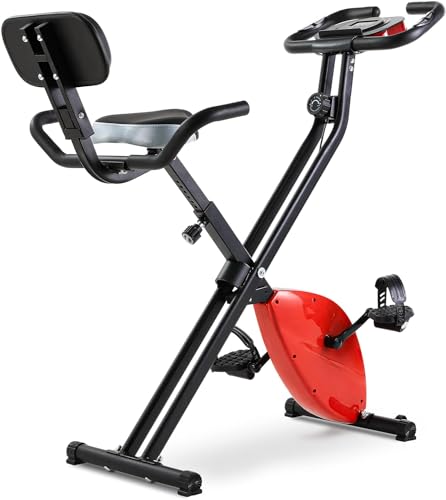 Cardiovascular Health: An upright or recumbent bike offers a balanced workout for heart health.
Bodybuilding: A spin bike with heavy resistance settings is perfect for strength training.
Weight Loss: An interactive bike with a variety of classes and obstacles can help keep you motivated and engaged.
Area Constraints
Little Spaces: Upright bikes are more compact and can fit into smaller locations.
Larger Spaces: Recumbent and spin bikes require more area but can provide a more comfy and immersive experience.
Spending plan
Entry-Level: Basic upright and recumbent bikes can be found at economical prices.
Mid-Range: Spin bikes and more advanced upright bikes provide much better features and resilience.
High-End: Interactive bikes with state-of-the-art features and connection alternatives can be more costly but provide a premium workout experience.
Convenience and Adjustability
Seat and Handlebars: Ensure the bike has an adjustable seat and handlebars to accommodate your height and comfort choices.
Cushioned Seat: A well-padded seat can make longer exercises more comfy, particularly for recumbent bikes.
Innovation and Connectivity
Fitness Tracking: Look for bikes that feature built-in screens to track calories burned, distance covered, and heart rate.
Virtual Classes: If you take pleasure in group exercises, consider an interactive bike with access to virtual classes and neighborhood functions.
Establishing Your Exercise Bike
Once you've chosen the best exercise bike, setting it up correctly is crucial for a safe and effective workout:
Assembly
Follow the maker's directions carefully to make sure the bike is put together correctly.
Examine all bolts and screws to guarantee they are tight and safe.
Positioning
Choose a flat, stable surface for your bike to avoid it from wobbling throughout usage.
Ensure there is sufficient space around the bike for movement and ventilation.
Adjustments
Adjust the seat height so that your knees are somewhat bent when the pedals are at their most affordable point.
Change the handlebars to a comfy height and distance from the seat.
Preliminary Workout
Start with a low resistance and a comfortable pace to get used to the bike.
Slowly increase the strength and duration of your exercises as you construct endurance and strength.
FAQs About Exercise Bikes
Q: How frequently should I use my stationary bicycle?
A: For optimum health benefits, goal to use your exercise bike at least three to four times a week, with each session long lasting 30 to 60 minutes. Nevertheless, consistency is essential, so even shorter, more frequent workouts can be helpful.
Q: Can a stationary bicycle assistance with weight reduction?
A: Yes, routine cycling on an exercise bike can assist with weight-loss by burning calories and enhancing metabolic process. Integrate it with a well balanced diet for the best results.
Q: Are exercise bikes ideal for all physical fitness levels?
A: Absolutely. A lot of exercise bikes feature adjustable resistance settings, making them ideal for newbies, intermediates, and advanced users. Start with a low resistance and slowly increase as you become more comfy.
Q: Can I utilize an exercise bike if I have joint discomfort?
A: Yes, stationary bicycle are a low-impact type of exercise, that makes them ideal for individuals with joint discomfort. Recumbent bikes, in particular, offer more back and knee support.
Q: How do I clean and keep my exercise bike?
A: Regular cleaning with a damp cloth and occasional lubrication of moving parts can keep your bike in good condition. Examine the maker's guidelines for specific upkeep requirements.
Q: Can I utilize a stationary bicycle while watching television or reading?
A: Yes, many individuals delight in using their exercise bikes while engaging in other activities. It can help make the exercises more satisfying and less boring.
Conclusion
An exercise bike is a valuable addition to any home physical fitness setup, using a series of benefits that deal with various health and fitness objectives. Whether you're aiming to enhance cardiovascular health, handle weight, or merely delight in a low-impact exercise, there's a stationary bicycle out there that can fulfill your requirements. By considering factors such as fitness goals, space restrictions, budget, and innovation, you can select the right bike for your home and start enjoying the rewards of a consistent, satisfying exercise regimen.
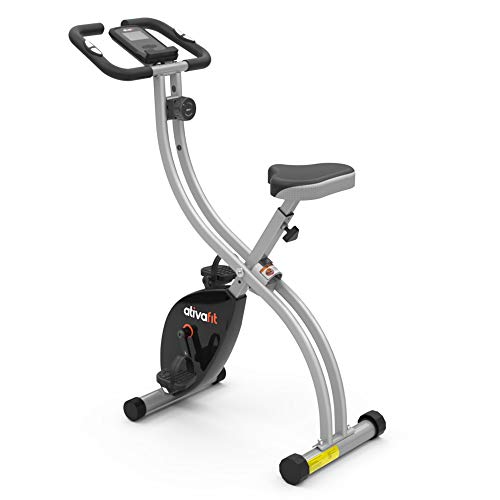 With the rise of home physical fitness and the increasing significance of preserving a healthy way of life, a stationary bicycle can be a life-changing investment that supports your physical and mental wellness. So, why wait? Start your journey to a healthier you today with a stationary bicycle in the house.
In an age where health and wellness are ending up being significantly crucial, particularly with the increase of remote work and lifestyle changes, the exercise bike has actually emerged as a popular option for those seeking to keep an active lifestyle without leaving their homes. This flexible tool uses a variety of benefits, from enhanced cardiovascular health to improved psychological wellness. This post explores the advantages of owning a stationary bicycle, the various types offered, and how to pick the ideal one for your home.
The Rise of Home Fitness
The worldwide fitness market has seen a considerable shift in the last few years, with more people selecting home exercises over fitness center subscriptions. The convenience, versatility, and cost-effectiveness of working out in the house have made it an attractive choice for numerous. Among the different home physical fitness equipment, the exercise bike sticks out for its ease of access and low-impact nature, making it suitable for individuals of all ages and physical fitness levels.
Benefits of Using an Exercise Bike at Home
Improved Cardiovascular Health Regular use of an exercise bike can substantially improve heart health by strengthening the heart muscle, lowering the danger of heart illness, and lowering blood pressure. The low-impact nature of cycling is especially advantageous for those with joint concerns, as it supplies a cardiovascular workout without the stress of high-impact activities like running.
Weight Management Cycling on a stationary bicycle is an efficient way to burn calories and manage weight. Depending on the intensity and duration of the exercise, users can burn anywhere from 400 to 1000 calories per hour, making it a valuable tool for those wanting to lose or preserve a healthy weight.
Muscle Strength and Tone While primarily a cardiovascular exercise, biking also engages the lower body muscles, including the quadriceps, hamstrings, glutes, and calves. With resistance settings, users can tailor their workouts to target specific muscle groups and improve strength and tone.
Psychological Well-Being cycle exercise home has actually long been known to improve mental health by lowering tension, anxiety, and anxiety. The repetitive movement of cycling can be meditative, and the endorphins released during exercise can enhance mood and general well-being.
Convenience and Flexibility One of the most substantial advantages of a stationary bicycle is the ability to workout anytime, anywhere. Whether it's early morning, late in the evening, or during a break from work, the bike is constantly offered, removing the need for travel and the restraints of fitness center hours.
Low Maintenance Compared to other fitness equipment, exercise bike workout bikes are usually low maintenance. Regular cleaning and occasional lubrication of moving parts are normally sufficient to keep the bike in good working condition, making it an economical and hassle-free financial investment.
Kinds Of exercise bike For house Bikes
When it concerns selecting an exercise bike, there are numerous types to think about, each with its own set of features and advantages:
Upright Bikes
Functions: Upright bikes are the most conventional type, resembling a basic bicycle. They use a broad range of resistance settings and can be used for interval training and hill simulations.
Benefits: Ideal for those who desire a more dynamic, upright cycling experience. They are also more space-efficient compared to other types.
Best For: General fitness, weight loss, and cardiovascular training.
Recumbent Bikes
Features: Recumbent bikes have a reclined seating position, which supplies more back support and is less demanding on the knees and hips.
Benefits: Suitable for individuals with back or joint discomfort, as the reclined position distributes weight more uniformly and decreases strain.
Best For: Low-impact workouts, rehabilitation, and long-duration cardio sessions.
Spin Bikes
Features: Spin bikes are developed for high-intensity, indoor biking classes. They typically have heavier flywheels, adjustable resistance, and can be equipped with heart rate monitors.
Benefits: Excellent for burning calories quickly and developing endurance. They likewise provide a more extreme exercise bicycle, which can be difficult and engaging.
Best For: High-intensity interval training (HIIT), group fitness classes, and advanced bicyclists.
Interactive Bikes
Functions: These bikes come with integrated screens and connection to virtual physical fitness platforms, allowing users to take part in live or on-demand classes, track their development, and compete with others.
Advantages: Offers a highly appealing and encouraging workout experience. The social aspect and range of classes can assist keep users dedicated to their fitness objectives.
Best For: Tech-savvy individuals, those who delight in group exercises, and users searching for a more immersive physical fitness experience.
How to Choose the Right Exercise Bike
Selecting the best stationary bicycle involves thinking about a number of factors to ensure it meets your physical fitness goals and way of life needs:
Physical fitness Goals
Cardiovascular Health: An upright or recumbent bike offers a balanced workout for heart health.Bodybuilding: A spin bike with heavy resistance settings is perfect for strength training.
Weight Loss: An interactive bike with a variety of classes and obstacles can help keep you motivated and engaged.
Area Constraints
Little Spaces: Upright bikes are more compact and can fit into smaller locations.
Larger Spaces: Recumbent and spin bikes require more area but can provide a more comfy and immersive experience.
Spending plan
Entry-Level: Basic upright and recumbent bikes can be found at economical prices.
Mid-Range: Spin bikes and more advanced upright bikes provide much better features and resilience.
High-End: Interactive bikes with state-of-the-art features and connection alternatives can be more costly but provide a premium workout experience.
Convenience and Adjustability
Seat and Handlebars: Ensure the bike has an adjustable seat and handlebars to accommodate your height and comfort choices.
Cushioned Seat: A well-padded seat can make longer exercises more comfy, particularly for recumbent bikes.
Innovation and Connectivity
Fitness Tracking: Look for bikes that feature built-in screens to track calories burned, distance covered, and heart rate.
Virtual Classes: If you take pleasure in group exercises, consider an interactive bike with access to virtual classes and neighborhood functions.
Establishing Your Exercise Bike
Once you've chosen the best exercise bike, setting it up correctly is crucial for a safe and effective workout:
Assembly
Follow the maker's directions carefully to make sure the bike is put together correctly.
Examine all bolts and screws to guarantee they are tight and safe.
Positioning
Choose a flat, stable surface for your bike to avoid it from wobbling throughout usage.
Ensure there is sufficient space around the bike for movement and ventilation.
Adjustments
Adjust the seat height so that your knees are somewhat bent when the pedals are at their most affordable point.
Change the handlebars to a comfy height and distance from the seat.
Preliminary Workout
Start with a low resistance and a comfortable pace to get used to the bike.
Slowly increase the strength and duration of your exercises as you construct endurance and strength.
FAQs About Exercise Bikes
Q: How frequently should I use my stationary bicycle?
A: For optimum health benefits, goal to use your exercise bike at least three to four times a week, with each session long lasting 30 to 60 minutes. Nevertheless, consistency is essential, so even shorter, more frequent workouts can be helpful.
Q: Can a stationary bicycle assistance with weight reduction?
A: Yes, routine cycling on an exercise bike can assist with weight-loss by burning calories and enhancing metabolic process. Integrate it with a well balanced diet for the best results.
Q: Are exercise bikes ideal for all physical fitness levels?
A: Absolutely. A lot of exercise bikes feature adjustable resistance settings, making them ideal for newbies, intermediates, and advanced users. Start with a low resistance and slowly increase as you become more comfy.
Q: Can I utilize an exercise bike if I have joint discomfort?
A: Yes, stationary bicycle are a low-impact type of exercise, that makes them ideal for individuals with joint discomfort. Recumbent bikes, in particular, offer more back and knee support.
Q: How do I clean and keep my exercise bike?
A: Regular cleaning with a damp cloth and occasional lubrication of moving parts can keep your bike in good condition. Examine the maker's guidelines for specific upkeep requirements.
Q: Can I utilize a stationary bicycle while watching television or reading?
A: Yes, many individuals delight in using their exercise bikes while engaging in other activities. It can help make the exercises more satisfying and less boring.
Conclusion
An exercise bike is a valuable addition to any home physical fitness setup, using a series of benefits that deal with various health and fitness objectives. Whether you're aiming to enhance cardiovascular health, handle weight, or merely delight in a low-impact exercise, there's a stationary bicycle out there that can fulfill your requirements. By considering factors such as fitness goals, space restrictions, budget, and innovation, you can select the right bike for your home and start enjoying the rewards of a consistent, satisfying exercise regimen.
With the rise of home physical fitness and the increasing significance of preserving a healthy way of life, a stationary bicycle can be a life-changing investment that supports your physical and mental wellness. So, why wait? Start your journey to a healthier you today with a stationary bicycle in the house.댓글목록
등록된 댓글이 없습니다.