 스토어팜
스토어팜

















15 Things You're Not Sure Of About Heat Pump Technology
페이지 정보
작성자 Merle 작성일24-03-02 12:10 조회20회 댓글0건본문
Energy Efficient Heat Pump Technology
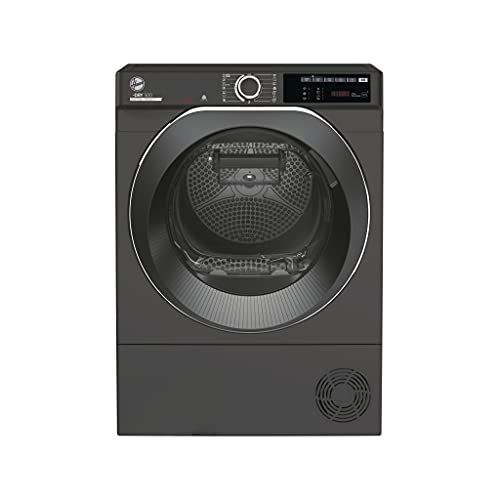 When powered with clean electricity (as generated by solar, wind or the use of a cleaner gas source), heat pumps can cut down on household carbon emissions from heating by about 75 percent.
New models are now more efficient due to the advancements in refrigerant gas as well as other components. And they're getting smaller and sleeker to blend in more seamlessly with the home.
Energy Efficiency
Heat pumps are more efficient in energy use than electric resistance or other furnaces because they draw heat from the air to heat homes, are heat pump tumble dryers any good (72.13.216.248) as opposed to creating their own heat by burning fuel. Their efficiency in energy is measured by the coefficient of performance or COP. A high COP indicates that an electricity unit can produce a large number of kilowatt hours of heat. In general, modern heat pumps have COPs that are around four, meaning that a single kWh of electricity can produce four kWh of heat.
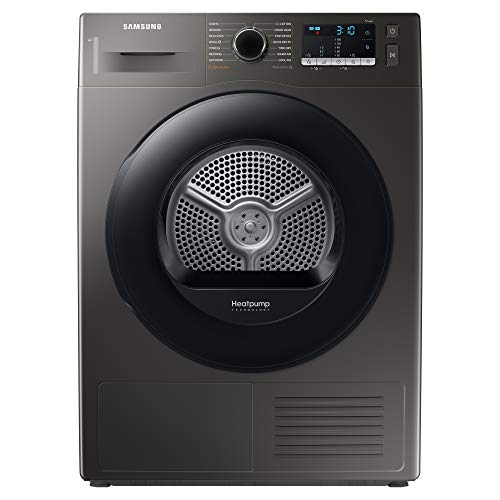 This means that, even in cold climates, heat pumps are able to significantly reduce carbon emissions from heating buildings. To truly reduce emissions, it is essential to ensure that the power used by heat pumps is generated from renewable sources like solar and wind. This will increase the energy efficiency of all heat pump systems, which will allow them to operate them using less fossil fuels and reduce greenhouse gas (GHG) emissions.
The efficiency of a heat pump is determined by the temperature of its two reservoirs: the outdoor and the indoor storage tanks. In cooling mode the heat pump utilizes its refrigerant and pulls air heat to transfer between the storage tanks. When the system shifts to heating, it reverses this flow. The outside coil becomes the evaporator while the inside coil is now the condenser. The reversing valving also reverses the direction of the electrical current flowing through the fluid which is now acting as the compressor. This increased electrical power causes the working fluid to expand, bringing the ambient heat into the house.
A heat pump can produce seven kilowatt hours of power for every kilowatt hour energy used. The higher the COP, the more energy efficient it is.
As technology advances new models are being designed to suit a wider range climates. Certain models are built to withstand freezing temperatures, whereas others are equipped with furnaces to withstand the most extreme conditions.
Certain utilities and governments offer incentives such as discounts or special rates on electricity for homeowners who switch to heat pumps. Some are also testing ways to make use of the power of these appliances by utilizing them to store and absorb renewable energy or by rewarding consumers for helping shift the peak demand away from fossil fuels.
Efficiency Ratings
The efficiency ratings of heat pumps are an important factor to consider for buyers. They're a great way to compare a heat pump to another and ensure sure you're buying the best quality equipment. The most common ratings are SEER and HSPF. These ratings indicate how the heat pump performs during its cooling and heating seasons. Other ratings that are helpful include EER, SCOP, ERP, heat pump tumble dryer Uk NPLV, and IPLV.
The EER rating of a heat pump is a measure for how efficiently it uses electricity to create cooling. The EER rating is determined by the cooling output compared to the electrical input. Higher ratings indicate greater efficiency. When you are looking for Heat pump Tumble dryer uk a new heat pump, you should start with one that has an EER rating.
The minimum SEER permitted at present is 13, it's worth investing in a model with an even higher rating. As time passes it will result in lower energy bills and less consumption.
Generation X was born during the oil crisis and has driven the trend towards more energy efficient appliances. Since 1992, the U.S. Department of Energy set minimum standards for heat pump' SEER and HSF ratings. While SEER is typically used as a cooling rating, you should also look for heat pumps that have an HSPF rating that is high.
Heat pumps with HSPF ratings that are high are more expensive initially but they'll be able to pay for themselves over time with substantial energy savings. They also aid in reducing greenhouse gas emissions as well as improve the environmental quality.
There are a variety of factors that can affect a heat pump's energy efficiency such as its size and how it's set up in the home. For example buffer tanks that allows warmer supply water to mix with cooler return water may reduce efficiency. This is particularly relevant if the mixing valve doesn't have an adjustable thermostat.
Another factor to consider is how a heat pump's ductwork is constructed and insulated. If the ducts are poorly designed or uninsulated they could decrease the heat pump's airflow and cause it to work harder to achieve a desired temperature. In some cases, the technician may be able correct this problem by cleaning the evaporator, or changing the refrigerant charges.
Installation
A heat pump is central heating and air system that cools your home like an air conditioner and also provides heating. It is a replacement for traditional heating methods, including gas furnaces. A Carrier expert will help you select the right heat pump for your climate and home.
The heat pump has the benefit of working in mild climates. This isn't the case for other heating systems. The heat pump uses ambient air to heat the room. This air can be drawn from the ground, the air inside your home, or from the air outside of your home according to the type of heat pump you pick.
The main function of a heat pump is to pull the same amount of energy from the home's air that it uses to cool. It does this by utilizing the reversing valve, which changes the direction of the refrigerant's flow. The air is blown across an evaporator coil that transports the heat from the air to the refrigerant. The reversing valve then changes the direction of the flow to condenser coil. This transfer the heat to the indoor air, and the cycle repeats.
If you're considering the installation of a heat pump in your home, you should consider obtaining a few in-home consultations from various installation companies. Compare the costs and energy ratings of each company. This will give a good idea about the cost and benefits as well as the reliability of each heat pump installation.
Your local Carrier expert can help you with the installation of a new heat pump by correctly sizing and arranging it for maximum performance. They can assess the cooling and heating needs of your space as well as the dimensions, condition and age of your ductwork. This lets them choose the best heat pump tumble dryer uk pump for you and your budget.
In addition to making sure that the heat pump is the appropriate size for your home An HVAC expert can provide advice on how to upgrade your house to improve its energy efficiency. This can help you get even greater savings on energy costs from your new system. Improved insulation and air leaks, for instance could enable your heat pump to run longer in the winter. This is because it can draw air from the colder air outside.
Maintenance
Like your car, heat pumps need a regular tune-up to ensure optimal performance. Two regular maintenance visits per year - one in spring and in the fall will help your system work properly throughout heating season. If your heat pump does not function properly will likely need to use more energy to achieve the same comfort level as a well-maintained system resulting in higher utility bills each month.
In addition to a routine inspection by a certified technician, there are many home maintenance tasks you can complete yourself to improve effectiveness and extend the life of your heat pump. Cleaning your air filters in the indoors monthly (or replacing them with reusable ones) will improve indoor air quality and the heat pump will work less to circulate the air. Keep outdoor units clear of leaves, debris and wildlife to prevent airflow obstructions. This will also increase the efficiency of your heat pump.
Another easy maintenance tip to keep in mind is to regularly inspect a heat pump for tripped circuit breakers or fuses as well as fuse blows that could be the result of an electrical overload or ignition problem that requires professional attention. In addition, it is crucial to test your thermostat frequently to ensure that it's operating at the appropriate temperature and is not sending the system into overdrive.
If you hear strange sounds coming from your heat pumps is usually a sign that the air ducts are clogged or the blower fan is dirty. This may require professional assistance. It is a good idea to clean the evaporator coils regularly. This will help reduce dust accumulation and improve airflow. Also, making sure that the condensate drain is clear of obstructions can stop water leaks, blockages and potential fire hazards.
Maintenance and repair costs differ dependent on the system and its age, as well as how easily it can be accessed to a technician. For example, smaller systems made to cool and heat one room are typically less expensive to repair than large units that provide conditioning for an entire house. Additionally, access to the heat pump in a crawl space can affect both repair and maintenance charges per hour.
When powered with clean electricity (as generated by solar, wind or the use of a cleaner gas source), heat pumps can cut down on household carbon emissions from heating by about 75 percent.New models are now more efficient due to the advancements in refrigerant gas as well as other components. And they're getting smaller and sleeker to blend in more seamlessly with the home.
Energy Efficiency
Heat pumps are more efficient in energy use than electric resistance or other furnaces because they draw heat from the air to heat homes, are heat pump tumble dryers any good (72.13.216.248) as opposed to creating their own heat by burning fuel. Their efficiency in energy is measured by the coefficient of performance or COP. A high COP indicates that an electricity unit can produce a large number of kilowatt hours of heat. In general, modern heat pumps have COPs that are around four, meaning that a single kWh of electricity can produce four kWh of heat.
This means that, even in cold climates, heat pumps are able to significantly reduce carbon emissions from heating buildings. To truly reduce emissions, it is essential to ensure that the power used by heat pumps is generated from renewable sources like solar and wind. This will increase the energy efficiency of all heat pump systems, which will allow them to operate them using less fossil fuels and reduce greenhouse gas (GHG) emissions.The efficiency of a heat pump is determined by the temperature of its two reservoirs: the outdoor and the indoor storage tanks. In cooling mode the heat pump utilizes its refrigerant and pulls air heat to transfer between the storage tanks. When the system shifts to heating, it reverses this flow. The outside coil becomes the evaporator while the inside coil is now the condenser. The reversing valving also reverses the direction of the electrical current flowing through the fluid which is now acting as the compressor. This increased electrical power causes the working fluid to expand, bringing the ambient heat into the house.
A heat pump can produce seven kilowatt hours of power for every kilowatt hour energy used. The higher the COP, the more energy efficient it is.
As technology advances new models are being designed to suit a wider range climates. Certain models are built to withstand freezing temperatures, whereas others are equipped with furnaces to withstand the most extreme conditions.
Certain utilities and governments offer incentives such as discounts or special rates on electricity for homeowners who switch to heat pumps. Some are also testing ways to make use of the power of these appliances by utilizing them to store and absorb renewable energy or by rewarding consumers for helping shift the peak demand away from fossil fuels.
Efficiency Ratings
The efficiency ratings of heat pumps are an important factor to consider for buyers. They're a great way to compare a heat pump to another and ensure sure you're buying the best quality equipment. The most common ratings are SEER and HSPF. These ratings indicate how the heat pump performs during its cooling and heating seasons. Other ratings that are helpful include EER, SCOP, ERP, heat pump tumble dryer Uk NPLV, and IPLV.
The EER rating of a heat pump is a measure for how efficiently it uses electricity to create cooling. The EER rating is determined by the cooling output compared to the electrical input. Higher ratings indicate greater efficiency. When you are looking for Heat pump Tumble dryer uk a new heat pump, you should start with one that has an EER rating.
The minimum SEER permitted at present is 13, it's worth investing in a model with an even higher rating. As time passes it will result in lower energy bills and less consumption.
Generation X was born during the oil crisis and has driven the trend towards more energy efficient appliances. Since 1992, the U.S. Department of Energy set minimum standards for heat pump' SEER and HSF ratings. While SEER is typically used as a cooling rating, you should also look for heat pumps that have an HSPF rating that is high.
Heat pumps with HSPF ratings that are high are more expensive initially but they'll be able to pay for themselves over time with substantial energy savings. They also aid in reducing greenhouse gas emissions as well as improve the environmental quality.
There are a variety of factors that can affect a heat pump's energy efficiency such as its size and how it's set up in the home. For example buffer tanks that allows warmer supply water to mix with cooler return water may reduce efficiency. This is particularly relevant if the mixing valve doesn't have an adjustable thermostat.
Another factor to consider is how a heat pump's ductwork is constructed and insulated. If the ducts are poorly designed or uninsulated they could decrease the heat pump's airflow and cause it to work harder to achieve a desired temperature. In some cases, the technician may be able correct this problem by cleaning the evaporator, or changing the refrigerant charges.
Installation
A heat pump is central heating and air system that cools your home like an air conditioner and also provides heating. It is a replacement for traditional heating methods, including gas furnaces. A Carrier expert will help you select the right heat pump for your climate and home.
The heat pump has the benefit of working in mild climates. This isn't the case for other heating systems. The heat pump uses ambient air to heat the room. This air can be drawn from the ground, the air inside your home, or from the air outside of your home according to the type of heat pump you pick.
The main function of a heat pump is to pull the same amount of energy from the home's air that it uses to cool. It does this by utilizing the reversing valve, which changes the direction of the refrigerant's flow. The air is blown across an evaporator coil that transports the heat from the air to the refrigerant. The reversing valve then changes the direction of the flow to condenser coil. This transfer the heat to the indoor air, and the cycle repeats.
If you're considering the installation of a heat pump in your home, you should consider obtaining a few in-home consultations from various installation companies. Compare the costs and energy ratings of each company. This will give a good idea about the cost and benefits as well as the reliability of each heat pump installation.
Your local Carrier expert can help you with the installation of a new heat pump by correctly sizing and arranging it for maximum performance. They can assess the cooling and heating needs of your space as well as the dimensions, condition and age of your ductwork. This lets them choose the best heat pump tumble dryer uk pump for you and your budget.
In addition to making sure that the heat pump is the appropriate size for your home An HVAC expert can provide advice on how to upgrade your house to improve its energy efficiency. This can help you get even greater savings on energy costs from your new system. Improved insulation and air leaks, for instance could enable your heat pump to run longer in the winter. This is because it can draw air from the colder air outside.
Maintenance
Like your car, heat pumps need a regular tune-up to ensure optimal performance. Two regular maintenance visits per year - one in spring and in the fall will help your system work properly throughout heating season. If your heat pump does not function properly will likely need to use more energy to achieve the same comfort level as a well-maintained system resulting in higher utility bills each month.
In addition to a routine inspection by a certified technician, there are many home maintenance tasks you can complete yourself to improve effectiveness and extend the life of your heat pump. Cleaning your air filters in the indoors monthly (or replacing them with reusable ones) will improve indoor air quality and the heat pump will work less to circulate the air. Keep outdoor units clear of leaves, debris and wildlife to prevent airflow obstructions. This will also increase the efficiency of your heat pump.
Another easy maintenance tip to keep in mind is to regularly inspect a heat pump for tripped circuit breakers or fuses as well as fuse blows that could be the result of an electrical overload or ignition problem that requires professional attention. In addition, it is crucial to test your thermostat frequently to ensure that it's operating at the appropriate temperature and is not sending the system into overdrive.
If you hear strange sounds coming from your heat pumps is usually a sign that the air ducts are clogged or the blower fan is dirty. This may require professional assistance. It is a good idea to clean the evaporator coils regularly. This will help reduce dust accumulation and improve airflow. Also, making sure that the condensate drain is clear of obstructions can stop water leaks, blockages and potential fire hazards.
Maintenance and repair costs differ dependent on the system and its age, as well as how easily it can be accessed to a technician. For example, smaller systems made to cool and heat one room are typically less expensive to repair than large units that provide conditioning for an entire house. Additionally, access to the heat pump in a crawl space can affect both repair and maintenance charges per hour.
댓글목록
등록된 댓글이 없습니다.