 스토어팜
스토어팜

















Guide To 30 Ft Container: The Intermediate Guide To 30 Ft Container
페이지 정보
작성자 Natasha 작성일25-04-21 05:30 조회3회 댓글0건본문
Understanding the 30-Foot Container: A Comprehensive Guide
In the realm of shipping and storage, containers play an important role in helping with logistics across numerous industries. Amongst the lots of types available, the 30-foot container stands out for its distinct dimensions and versatile applications. This article delves into the features, advantages, common uses, and often asked concerns about the 30-foot container, offering a well-rounded understanding for organizations and individuals alike.
What is a 30-Foot Container?
A 30-foot container, as the name recommends, has a length of 30 feet (around 9.1 meters) and is frequently utilized for transporting products by sea or land. These containers are normally made from top-quality steel to hold up against the rigors of transport and weather conditions. In regards to dimensions, they typically have standardized widths and heights, making them suitable with shipping regulations and managing equipment.
Key Specifications
Length: 30 feet (around 9.1 meters).
Width: 8 feet (approximately 2.44 meters).
Height: 8.5 feet (approximately 2.59 meters) for basic containers.
Weight Capacity: Depending on the particular type, a 30-foot container can normally hold in between 20,000 to 26,000 pounds (9,072 to 11,793 kilograms).
Volume Capacity: Approximately 1,700 cubic feet (48 cubic meters).
Kinds Of 30-Foot Containers.
While the standard 30 ft shipping container dimensions-foot container is among the most common forms, variations are available to match specific requirements:.
Standard Containers: These are ideal for basic cargo and non-perishable goods.
Refrigerated Containers (Reefers): These containers are equipped with temperature control systems to carry disposable items such as food and pharmaceuticals.
Open-Top Containers: Suitable for large cargo, these containers have a removable roof, enabling simple loading of high items.
Flat Rack Containers: These have no sides or a roofing system and are primarily used for heavy or unwieldy cargo.
Advantages of Using a 30-Foot Container.
Using a 30-foot container has numerous advantages that interest organizations and people participated in shipping or storage.
1. Ideal Size for Diverse Applications.
The 30-foot length is often viewed as a perfect size for smaller deliveries. It offers substantially more volume than basic containers, making it ideal for different cargo types, especially when 40-foot containers might be too big.
2. Cost-Effectiveness.
For organizations that need storage or shipping for smaller quantities of products, a 30 ft container; click the following page,-foot container can be more economical. It offers minimized shipping costs due to its size while permitting efficient loading and discharging.
3. Versatile Use Cases.
30-foot containers can serve numerous functions, consisting of however not restricted to:.
Shipping products globally.
Serving as short-term or long-term storage services.
Assisting in construction jobs.
Housing mobile offices or workshops.
4. Portability.
The manageable size of a 30 foot high cube shipping container-foot container permits simpler transportation and maneuverability. This is specifically helpful in metropolitan settings or areas with minimal area.
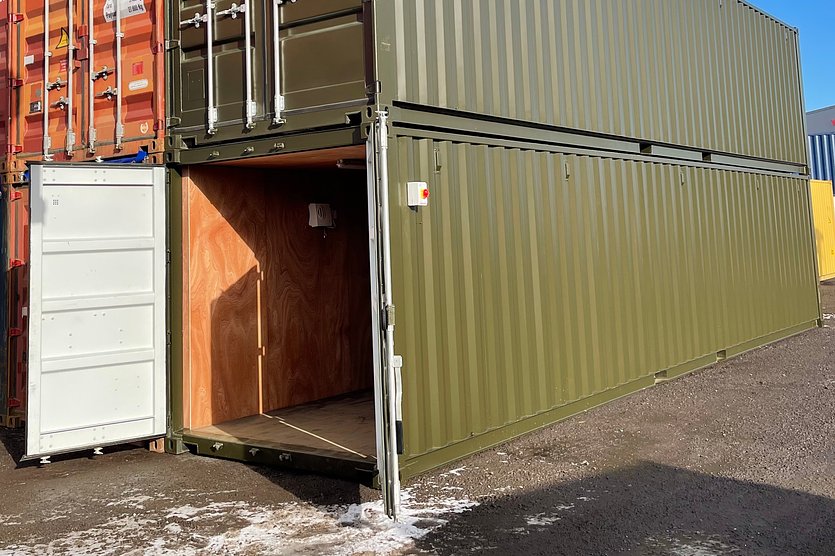 Typical Uses of 30-Foot Containers.
The applications of 30-foot containers are many and differed, showing their flexible nature. Here are some of the most common usages:.
Transportation.
As a useful option for freight transport, 30-foot containers stand out in transporting different goods, from equipment to textiles. They efficiently fit into shipping schedules while accommodating diverse cargo types.
Storage Solutions.
Whether for companies anticipating seasonal variations in inventory or households requiring extra area, 30-foot containers can function as reliable momentary or long-lasting storage solutions. Their resistance to weather and bugs makes them a protected option.
Construction Sites.
30-foot containers are progressively used at building sites for saving equipment and materials. They can be modified for usage as website offices, supplying a comfortable work space near to the job site.
Workshops and Recreational Spaces.
You can repurpose 30-foot containers into workshops, studios, or perhaps small homes. Their strength and resilience supply an exceptional structure for innovative tasks.
Often Asked Questions (FAQs).
1. How much can a 30-foot container hold?
A 30 ft container dimensions-foot container typically has a weight capacity varying from 20,000 to 26,000 pounds (depending on the model) and a volume capability of around 1,700 cubic feet.
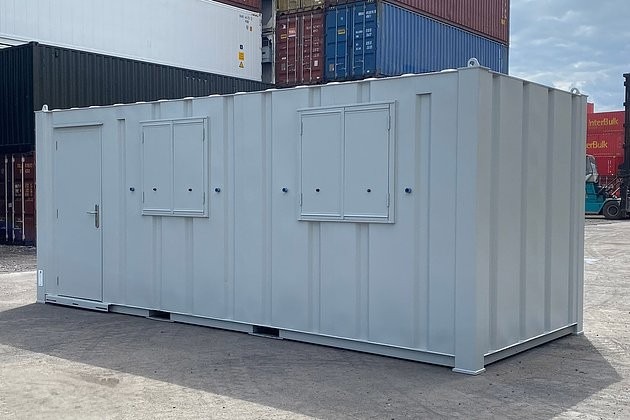 2. Can you personalize a 30-foot container?
Yes, 30-foot containers can be personalized for particular needs, such as adding windows, doors, or insulation for temperature level control.
3. Do I require an unique permit to utilize a 30-foot container?
Allowing requirements depend on local guidelines concerning storage containers. It is advised to talk to regional authorities before using one for storage or building purposes.
4. What is the expense of leasing or buying a 30-foot container?
The price can vary commonly based upon elements like place, condition, and the supplier. Usually, rental rates can vary from $100 to $200 each month, while purchase costs may differ from $2,000 to $5,000 or more.
5. how big is a shipping container do I guarantee my cargo is safe in a 30-foot container?
Correct packing, protecting items with straps, and using cushioning can avoid damage throughout transportation. In addition, think about installing locks and security features for long-term storage.
Conclusion.
The 30 shipping container-foot container is a flexible option for organizations and individuals needing efficient transport and storage of products. Its workable size, overall capacity, and adaptability make it a popular option throughout markets. Comprehending its functions and potential applications can improve logistical techniques and decision-making, whether utilized for shipping, keeping, or innovative jobs. By considering the details detailed in this guide, users can make educated choices about integrating 30-foot containers into their operations.
In the realm of shipping and storage, containers play an important role in helping with logistics across numerous industries. Amongst the lots of types available, the 30-foot container stands out for its distinct dimensions and versatile applications. This article delves into the features, advantages, common uses, and often asked concerns about the 30-foot container, offering a well-rounded understanding for organizations and individuals alike.
What is a 30-Foot Container?
A 30-foot container, as the name recommends, has a length of 30 feet (around 9.1 meters) and is frequently utilized for transporting products by sea or land. These containers are normally made from top-quality steel to hold up against the rigors of transport and weather conditions. In regards to dimensions, they typically have standardized widths and heights, making them suitable with shipping regulations and managing equipment.
Key Specifications
Length: 30 feet (around 9.1 meters).
Width: 8 feet (approximately 2.44 meters).
Height: 8.5 feet (approximately 2.59 meters) for basic containers.
Weight Capacity: Depending on the particular type, a 30-foot container can normally hold in between 20,000 to 26,000 pounds (9,072 to 11,793 kilograms).
Volume Capacity: Approximately 1,700 cubic feet (48 cubic meters).
Kinds Of 30-Foot Containers.
While the standard 30 ft shipping container dimensions-foot container is among the most common forms, variations are available to match specific requirements:.
Standard Containers: These are ideal for basic cargo and non-perishable goods.
Refrigerated Containers (Reefers): These containers are equipped with temperature control systems to carry disposable items such as food and pharmaceuticals.
Open-Top Containers: Suitable for large cargo, these containers have a removable roof, enabling simple loading of high items.
Flat Rack Containers: These have no sides or a roofing system and are primarily used for heavy or unwieldy cargo.
Advantages of Using a 30-Foot Container.
Using a 30-foot container has numerous advantages that interest organizations and people participated in shipping or storage.
1. Ideal Size for Diverse Applications.
The 30-foot length is often viewed as a perfect size for smaller deliveries. It offers substantially more volume than basic containers, making it ideal for different cargo types, especially when 40-foot containers might be too big.
2. Cost-Effectiveness.
For organizations that need storage or shipping for smaller quantities of products, a 30 ft container; click the following page,-foot container can be more economical. It offers minimized shipping costs due to its size while permitting efficient loading and discharging.
3. Versatile Use Cases.
30-foot containers can serve numerous functions, consisting of however not restricted to:.
Shipping products globally.
Serving as short-term or long-term storage services.
Assisting in construction jobs.
Housing mobile offices or workshops.
4. Portability.
The manageable size of a 30 foot high cube shipping container-foot container permits simpler transportation and maneuverability. This is specifically helpful in metropolitan settings or areas with minimal area.
Typical Uses of 30-Foot Containers.The applications of 30-foot containers are many and differed, showing their flexible nature. Here are some of the most common usages:.
Transportation.
As a useful option for freight transport, 30-foot containers stand out in transporting different goods, from equipment to textiles. They efficiently fit into shipping schedules while accommodating diverse cargo types.
Storage Solutions.
Whether for companies anticipating seasonal variations in inventory or households requiring extra area, 30-foot containers can function as reliable momentary or long-lasting storage solutions. Their resistance to weather and bugs makes them a protected option.
Construction Sites.
30-foot containers are progressively used at building sites for saving equipment and materials. They can be modified for usage as website offices, supplying a comfortable work space near to the job site.
Workshops and Recreational Spaces.
You can repurpose 30-foot containers into workshops, studios, or perhaps small homes. Their strength and resilience supply an exceptional structure for innovative tasks.
Often Asked Questions (FAQs).
1. How much can a 30-foot container hold?
A 30 ft container dimensions-foot container typically has a weight capacity varying from 20,000 to 26,000 pounds (depending on the model) and a volume capability of around 1,700 cubic feet.
2. Can you personalize a 30-foot container?Yes, 30-foot containers can be personalized for particular needs, such as adding windows, doors, or insulation for temperature level control.
3. Do I require an unique permit to utilize a 30-foot container?
Allowing requirements depend on local guidelines concerning storage containers. It is advised to talk to regional authorities before using one for storage or building purposes.
4. What is the expense of leasing or buying a 30-foot container?
The price can vary commonly based upon elements like place, condition, and the supplier. Usually, rental rates can vary from $100 to $200 each month, while purchase costs may differ from $2,000 to $5,000 or more.
5. how big is a shipping container do I guarantee my cargo is safe in a 30-foot container?
Correct packing, protecting items with straps, and using cushioning can avoid damage throughout transportation. In addition, think about installing locks and security features for long-term storage.
Conclusion.
The 30 shipping container-foot container is a flexible option for organizations and individuals needing efficient transport and storage of products. Its workable size, overall capacity, and adaptability make it a popular option throughout markets. Comprehending its functions and potential applications can improve logistical techniques and decision-making, whether utilized for shipping, keeping, or innovative jobs. By considering the details detailed in this guide, users can make educated choices about integrating 30-foot containers into their operations.
댓글목록
등록된 댓글이 없습니다.