 스토어팜
스토어팜

















What's The Job Market For Good Robot Vacuum Cleaner Professionals?
페이지 정보
작성자 Skye 작성일25-05-10 07:16 조회2회 댓글0건본문
The Silent Housekeeper: Finding the Right Robot Vacuum Cleaner for a Spotless Home
In today's busy world, time is a precious product. Family chores, while required, often fall to the bottom of the concern list. Enter the robot vacuum cleaner-- a marvel of modern convenience developed to reclaim your time and maintain a clean home with very little effort. No longer a futuristic fantasy, robot vacuums have actually ended up being increasingly advanced, effective, and available, changing the way we approach floor cleaning.
However with a wide variety of models flooding the market, navigating the world of robot vacuums can feel frustrating. What functions truly matter? How do you select one that fits your specific needs and home? This post will dive into the crucial aspects of choosing a "good" robot vacuums with mop vacuum cleaner, equipping you with the knowledge to make a notified decision and invite a silent, effective house cleaner into your home.
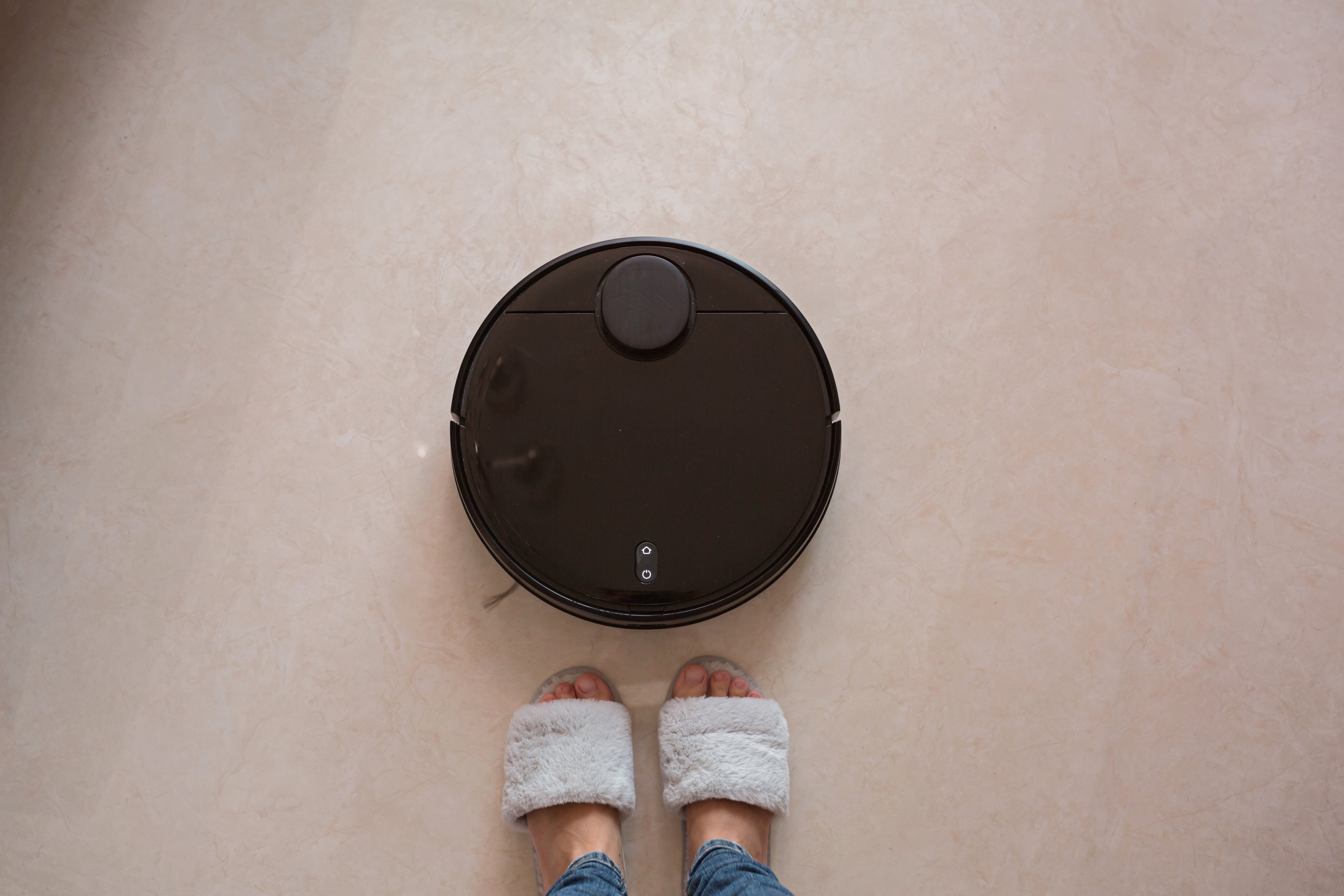
What Defines a "good Robot vacuum" Robot Vacuum Cleaner?
The meaning of a "good" robot vacuum extends beyond mere suction power. It encompasses a combination of elements that add to reliable cleaning, ease of usage, and long-lasting value. Here are the important components to consider:
1. Navigation and Mapping Prowess:
A robot vacuum's ability to navigate your home smartly dictates its cleaning effectiveness and coverage. There are numerous navigation innovations employed, each with its own strengths:
- Random Navigation: These entry-level designs move in an apparently random pattern, bouncing off challenges until the battery runs low. While budget-friendly, they can be less effective, missing spots or cleaning areas numerous times.
- Systematic Navigation (Row-by-Row/Zig-Zag): These robots clean in straight, parallel lines, making sure more methodical protection. They are normally more efficient than random navigation designs.
- Smart Mapping with SLAM (Simultaneous Localization and Mapping): This innovative innovation, often making use of LiDAR (Light Detection and Ranging) or camera-based systems, allows the robot to produce an in-depth map of your home. This map allows:
- Efficient Path Planning: Optimized cleaning paths for faster and more total protection.
- Zoned Cleaning: Target particular rooms or areas for cleaning straight from an app.
- Virtual Walls and No-Go Zones: Define limits to prevent the robot from entering specific areas, like delicate carpets or pet bowls.
- Multi-Floor Mapping: Some advanced designs can store maps of numerous floors, ideal for multi-story homes.
2. Suction Power and Cleaning Performance:
The main function of a robot vacuum is, obviously, cleaning. Suction power is a key sign of its capability to raise dirt, dust, and debris from numerous floor types.
- Floor Type Matters: Homes with primarily hard floors (wood, tile, laminate) might not require the most powerful suction, while homes with carpets and carpets will gain from higher suction to successfully extract dirt and pet hair embedded in the fibers.
- Brush Roll Design: The brush roll beneath the robot plays an essential function in agitating dirt and directing it towards the suction nozzle. Various brush roll designs are optimized for various floor types. Some feature bristles for carpets, while others make use of rubber blades or a mix for tough floors and pet hair management.
- Specialized Features: Look for features like "carpet boost," where the robot immediately increases suction when it detects carpet, and edge cleaning modes, making use of side brushes to efficiently clean along walls and baseboards.
3. Battery Life and Coverage Area:
Battery life dictates how long your robot vacuum can clean up on a single charge and, as a result, the size of the location it can cover.
- Consider Your Home Size: Larger homes will need robotics with longer battery life. Some designs can run for 90-120 minutes or more, while others might offer 60 minutes or less.
- Auto-Recharge and Resume: Many robot vacuums include auto-recharge. When the battery is low, they instantly go back to their charging dock, recharge, and then resume cleaning from where they left off. This is especially useful for larger homes.
4. Smart Features and Convenience:
Modern robot vacuums often come equipped with a variety of smart features that boost their functionality and user experience:
- App Control: Most smart robot vacuums can be managed through a smartphone app, allowing you to:
- Start, stop, and pause cleaning cycles remotely.
- Set up cleaning times.
- Display cleaning development and battery status.
- Access maps, set zones, and virtual walls (for mapping designs).
- Adjust suction power and cleaning modes.
- Voice Control Integration: Compatibility with voice assistants like Amazon Alexa or Google Assistant makes it possible for hands-free control through voice commands.
- Mopping Functionality: Some robot hoover and mop vacuums are hybrid devices, integrating a mopping function. These typically feature a water tank and a mopping pad that drags behind the vacuum, damp-mopping difficult floors.
- Obstacle Avoidance: Advanced designs make use of sensors to identify and avoid challenges like furniture legs, pet bowls, and cables, minimizing the possibilities of getting stuck or bumping into things.
- Dustbin Capacity and Ease of Emptying: A bigger dustbin decreases the frequency of clearing. Think about the ease of eliminating and clearing the dustbin - some are simpler and less untidy than others.
- Filtering System: HEPA filters are helpful for allergic reaction sufferers, as they trap fine dust particles and irritants.
- Noise Level: Robot vacuums differ in sound levels. If sound sensitivity is an issue, try to find designs that are advertised as quieter.
Picking the Right Robot Vacuum for Your Needs:
Selecting the ideal robot vacuum depends on your specific home environment and cleaning top priorities. Think about these elements:
- Your Floor Type:
- Predominantly Hard Floors: Focus on designs with effective systematic navigation, great suction, and consider a vacuum-mop hybrid for included floor cleaning abilities.
- Carpets and Rugs: Prioritize high suction power, a brush roll developed for carpets, and possibly features like carpet increase.
- Blended Flooring: Look for versatile models that carry out well on both hard floors and carpets, ideally with automatic vacuum cleaner and mop floor type detection and suction change.
- Home Size and Layout:
- Apartments or Small Homes: A basic model with random or systematic navigation and standard battery life might be adequate.
- Larger Homes or Multi-Level Homes: Invest in a robot with smart mapping, long battery life, auto-recharge and resume, and potentially multi-floor mapping abilities. Consider having multiple robotics for various floorings or manually moving one robot in between levels.
- Pet Owners: Pet hair is a common cleaning challenge. Look for robot vacuums particularly developed for pet owners, characterized by:
- Strong Suction: To successfully select up pet hair and dander.
- Tangle-Free Brush Rolls: To lessen hair cover and keep cleaning performance.
- Larger Dustbins: Pet hair can quickly fill up dustbins.
- HEPA Filters: To trap pet dander and allergens.
- Spending plan: Robot vacuum rates range substantially. Develop your spending plan and focus on features based on your needs.
- Entry-Level: Basic cleaning functionality, random or methodical navigation, appropriate for smaller areas.
- Mid-Range: Improved navigation, stronger suction, more smart features, good balance of efficiency and rate.
- High-End: Advanced navigation (LiDAR mapping), premium features, superior cleaning efficiency, frequently with self-emptying dustbins and more sophisticated app control.
Leading Robot Vacuum Brands to Consider:
While numerous brand names exist, some consistently receive high ratings and are known for their quality and efficiency. Trustworthy brands consist of:
- iRobot Roomba: A leader in the robot vacuum market, known for dependability and a large range of models dealing with different budgets and needs.
- Shark: Focuses on effective suction and innovative brush roll styles, typically mastering pet hair elimination.
- Eufy (by Anker): Offers a balance of features and cost, supplying excellent worth for money.
- Roborock: Known for advanced technology, especially LiDAR navigation and extensive app features, often offering high performance at competitive costs.
- Samsung: Integrates smart home technology and elegant designs, with models using great performance and functions.
- Ecovacs: Provides a broad range of models, consisting of those with innovative mopping capabilities and barrier avoidance.
Preserving Your Robot Vacuum:
To guarantee your robot vacuum runs optimally and lasts longer, regular upkeep is essential:
- Empty the Dustbin Regularly: Ideally after each cleaning cycle or as required.
- Tidy the Brush Roll and Side Brushes: Remove hair and particles that can get tangled around the brushes.
- Clean or Replace Filters: Follow manufacturer recommendations for filter upkeep.
- Wipe Sensors Clean: Dust and debris can obstruct sensing units, affecting navigation.
- Look for Obstructions: Periodically check wheels and moving parts for any blockages.
Conclusion:
An excellent robot vacuum with mop vacuum cleaner is more than simply a device; it's a financial investment in time-saving convenience and a cleaner, much healthier home. By comprehending the key features, considering your specific requirements and home environment, and doing a little research, you can confidently select a robot vacuum that will become your relied on quiet housekeeping partner, releasing you to concentrate on what matters most. Let your robot vacuum take care of the floors, so you can take back your time.
Frequently Asked Questions (FAQs) about Robot Vacuum Cleaners:
Q1: Are robot vacuum worth the financial investment?
A: For lots of, yes. Robot vacuums provide substantial convenience by automating a repeated task. They are exceptional for everyday upkeep cleaning, keeping floorings consistently tidier and minimizing the need for frequent manual vacuuming.
Q2: How often should I run my robot vacuum?
A: It depends on your needs and way of life. Daily cleaning is ideal for high-traffic areas or homes with family pets. For less hectic households, running it a couple of times a week may be sufficient. Scheduling is a terrific function to automate this process.
Q3: Can a robot vacuum completely change a conventional vacuum?
A: While robot vacuums are excellent for day-to-day surface area cleaning, they might not entirely change a traditional vacuum cleaner for deep cleaning tasks, reaching tight corners, or cleaning upholstery. They are best automatic vacuum considered as an enhance to, instead of a complete replacement for, standard vacuuming.
Q4: Do robot vacuums work well on dark carpets?
A: Some older or less sophisticated robot vacuums can have difficulty spotting dark carpets, often misinterpreting them for ledges and avoiding them. Nevertheless, lots of modern designs are created to navigate dark surface areas effectively. Examine item specifications and reviews if you have dark carpets.
Q5: How long do robot vacuum cleaners usually last?
A: The lifespan of a robot vacuum depends on factors like brand name quality, frequency of use, and upkeep. Usually, a well-kept robot vacuum can last for several years, typically varying from 3 to 7 years. Battery life may break down over time and require replacement eventually.
댓글목록
등록된 댓글이 없습니다.